Property
Sydney Property Market 2026: Prices, Suburbs and Outlook
Sydney property in 2026: Cotality (CoreLogic) medians, why the west is rising while the east stalls, and what rate cuts in 2027 could mean.
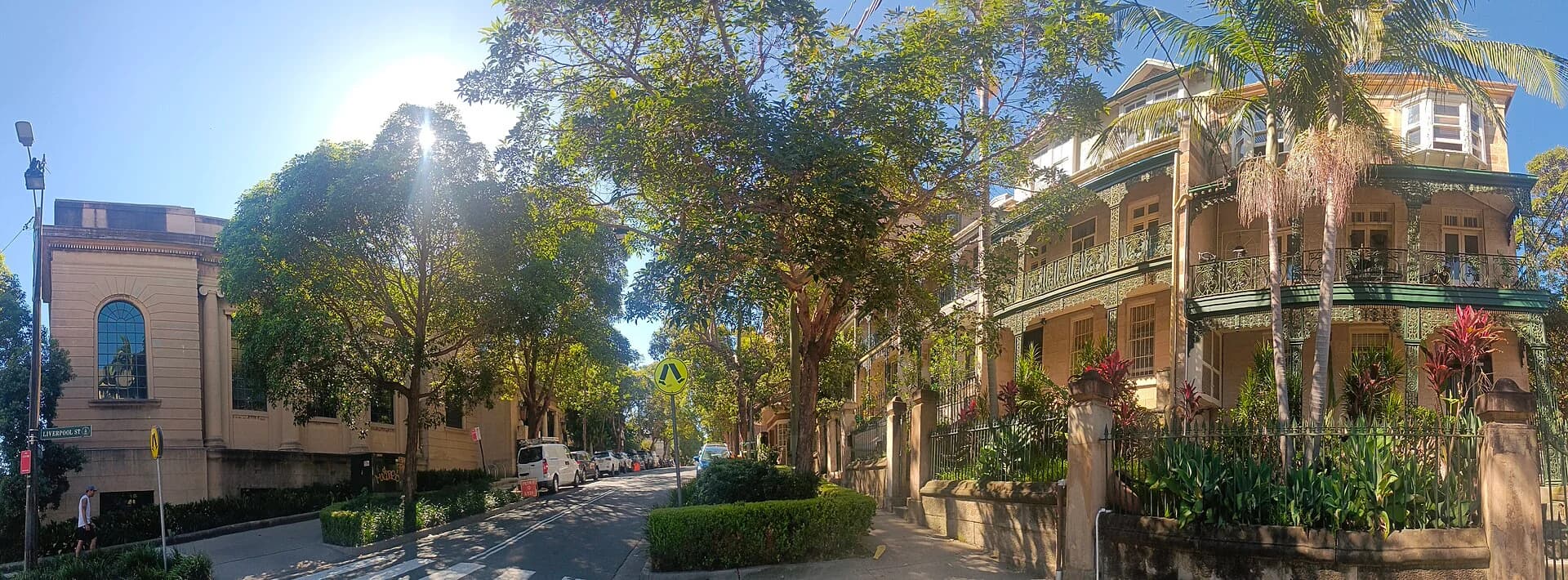
Ask five Sydneysiders how the property market is going and you will get five different answers, all of them correct. That is the strange thing about 2026. The headline numbers say the boom has stalled, yet auction crowds in parts of the west are as thick as ever. What is actually happening depends almost entirely on which Sydney you are standing in.
Where prices sit right now
Start with the numbers. Cotality, the research house formerly known as CoreLogic, put Sydney's median house value at $1,556,258 in June 2026, with the median unit at $898,623. Those are still the highest figures of any Australian capital by a comfortable margin.
The direction of travel is less flattering. House values fell 1.5 per cent in June alone, the steepest monthly drop of any Sydney dwelling type, and over the year to June houses slipped 0.1 per cent. A market that spent most of the past decade defying gravity has, for the moment, gone flat.
It is worth remembering how different the mood was a year ago. Domain's 2026 forecast report had tipped the median house price to rise around 7 per cent and brush $1.92 million by the end of the year. With the Reserve Bank's cash rate parked at 4.35 per cent since June and the big four banks not pencilling in cuts until 2027, that forecast now looks optimistic. Borrowing capacity, not buyer enthusiasm, is what sets the ceiling in this market.
A two-speed city
Averages hide the real story. Cotality's first-quarter data showed Sydney's lower quartile of values rising 1.8 per cent while the upper quartile fell by the same amount. In plain terms, the cheapest quarter of the market is still climbing while the most expensive quarter is going backwards.
Sydney in 2026 is a two-speed market: the affordable west is still climbing while the premium east and north drift sideways. That is the single most useful sentence for anyone trying to make sense of this year.
The logic is straightforward. When rates stay high, buyers get pushed down the price ladder rather than off it. A family priced out of the inner west at $2.4 million does not leave Sydney. They compete for a $1.1 million house in Bankstown or Blacktown instead, and that competition keeps the bottom half of the market moving.
The suburbs doing the work
Western Sydney is carrying the growth. Suburbs such as Mount Druitt and St Marys have recorded annual growth in a range that industry analysis puts between roughly 5.6 and 15.1 per cent, with rental yields in the 4.4 to 5.4 per cent band, numbers the eastern suburbs have not seen in years.
There is a hard infrastructure story underneath the price story. Western Sydney International Airport at Badgerys Creek is due to open in October 2026, the toll-free M12 motorway connecting it opened in March, and the surrounding Aerotropolis is forecast to generate more than 200,000 jobs over time. Suburbs in the airport's orbit, Leppington chief among them, have been repriced accordingly. St Marys sits at the junction of the existing western line and the new metro link to the airport, which is exactly the kind of detail that shows up in prices years before it shows up in timetables.
Closer in, Parramatta keeps consolidating its position as the city's second CBD, and Bankstown has benefited from the Sydney Metro conversion of its rail line. None of this is speculative frontier stuff. These are established suburbs with trains, hospitals and jobs, which is why lenders and owner-occupiers, not just investors, are driving the demand.
What could change the picture
Supply, or the lack of it, is the floor under the whole market. Cotality notes that new listings remained below long-term averages coming into 2026, and NSW continues to run well behind its housing accord targets. Flat prices with thin stock is a very different situation from flat prices with a glut, and Sydney is firmly in the first camp.
The swing factor is the cash rate. Every major bank now has cuts beginning in 2027, with ANZ, CBA, NAB and Westpac differing only on the month. If that timing holds, 2026 is shaping up as the pause between two acts rather than the end of the show. When rates do fall, borrowing capacity rises for everyone at once, and Sydney has a long record of converting cheaper money into higher prices with unseemly speed.
The practical read
For buyers at the premium end, this is the friendliest market in several years. Vendors of $3 million houses are negotiating, something they had forgotten how to do. For buyers in the west, there is no discount on offer and probably will not be one, because that is where the population growth, the infrastructure spend and the affordability ceiling all point.
For sellers, the honest advice is unglamorous. Price to the suburb next door, not to the 2025 forecast. And for anyone waiting for a crash, the combination of record migration, chronic undersupply and rate cuts on the 2027 horizon suggests the wait could be a long one. Sydney property has been declared finished many times. It has never once agreed.
Cover image: Xyxyzyz, cc0 via Wikimedia Commons.
About the author
Mia Calloway
**Mia Calloway** is a senior correspondent at *Sydney Newscast*, reporting on business, property, and the NSW economy.